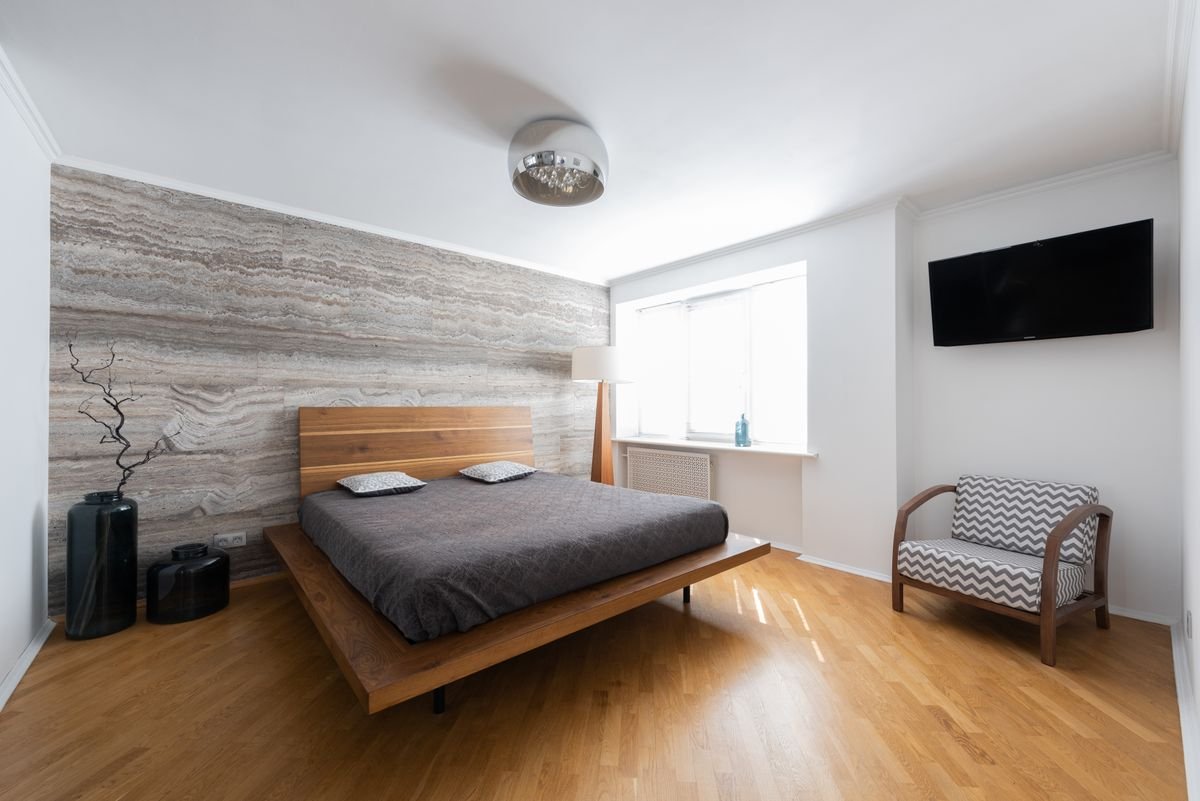
Spinal health needs change significantly with age. The intervertebral discs lose hydration and height, the facet joints develop arthritic changes, and the muscles supporting the spine lose mass and efficiency. For seniors, mattress choice becomes more clinically significant — both for sleep quality and for the support that aging spinal structures genuinely need.
How Aging Changes Spinal Support Needs
Several changes in the aging spine directly affect mattress requirements. Disc degeneration — the gradual loss of disc height and hydration that begins in middle age and accelerates in later decades — means the cushioning between vertebrae is reduced, making bony contact and pressure more of a factor. The discs that remain are more sensitive to sustained pressure in poor sleeping positions.
Facet joint arthritis, which develops as the cartilage surfaces of the spinal joints wear, causes pain that typically worsens with extension and improves with slight flexion. This means many seniors tolerate back sleeping less well over time and benefit from position modifications (knee pillow, slight head elevation) that reduce lumbar extension.
Muscle atrophy (sarcopenia) means that the muscles supporting the spine have less reserve capacity for sustained postural maintenance, making it more important that the mattress provides passive support rather than requiring the sleeper’s muscles to actively maintain position during sleep.
Pressure Relief: A Clinical Priority for Seniors
Pressure relief becomes more important with age for several reasons. Skin becomes thinner and less resilient, blood circulation is often reduced, and the bony prominences (hips, shoulders, sacrum, heels) may be more prominent as muscle mass decreases. Sustained pressure on these areas during sleep can cause discomfort, sleep disruption, and in vulnerable patients, pressure injury risk.
Chiropractors working with senior patients prioritize pressure relief more heavily than in younger adults. A medium to medium-soft feel (5-6.5 depending on body weight) typically addresses this need while maintaining adequate lumbar support. Memory foam and latex are often preferred over firm innerspring for senior patients specifically because of their pressure-relief properties.
Top Mattress Recommendations for Seniors with Back Pain
The Amerisleep AS3 is frequently recommended for seniors with general back pain — its medium feel, responsive Bio-Pur foam, and HIVE zoning balance pressure relief with lumbar support in a way that suits changing spinal needs. The 100-night trial allows adequate assessment without irreversible commitment.
For seniors with significant arthritis or pressure sensitivity, the Purple Hybrid’s Grid-based pressure relief is worth serious consideration. The Grid’s pressure relief at bony prominences is more pronounced than most foam mattresses, which is clinically meaningful for seniors whose skin and tissue may be more pressure-sensitive.
Adjustable Bases for Seniors: A Clinical Tool
Adjustable bases are particularly beneficial for senior patients — both for the clinical positioning benefits and the practical benefit of raising the head of the bed to facilitate easier getting-in and getting-out. For seniors with lumbar spinal stenosis (very common in later decades), the ability to sleep in a slightly flexed position (head and knees elevated) can dramatically reduce nighttime lumbar pain.
Getting out of a low, flat mattress is mechanically stressful for the lower back. An adjustable base that raises the head to a sitting position before the senior attempts to stand reduces the lumbar load during this transition. This fall-risk reduction function is as clinically important as the spinal positioning benefits for many senior patients.
Mattress Height: A Practical Consideration for Seniors
Mattress height — the total height of the mattress above the floor — matters practically for seniors. A mattress that’s too low requires significant hip flexion and lumbar bending to rise from, which is mechanically stressful for patients with arthritic changes. A mattress too high can make safe leg-lowering to the floor difficult.
The ideal mattress height for most seniors is 10-14 inches, plus the bed frame or box spring — resulting in a total sleep surface height of approximately 20-24 inches from the floor, which allows a sitting position where the feet are flat and the knees are at approximately 90 degrees. This makes standing from the seated bed edge mechanically safe for most senior patients.
Find Your Spine-Supporting Mattress Today
Our chiropractor advisors have reviewed and ranked the best sleep products for back and neck pain relief.
See research-aligned & Top-Rated Mattresses →ChiropractorSleep.com reviews the top mattresses evaluated for spinal alignment and pressure relief. Compare Amerisleep, Saatva, Purple, and more — and find the mattress that actually supports your spine.
Frequently Asked Questions
What mattress is best for seniors with back pain?
A medium feel (5.5-6.5) with good pressure relief is most commonly recommended for senior back pain patients. Memory foam or latex materials that conform to the body’s contours and relieve pressure at bony prominences are generally preferred over firm innerspring options. The Amerisleep AS3 and Purple Hybrid are frequently cited by chiropractors.
Should seniors sleep on a firm or soft mattress?
Medium is usually the right answer for seniors — firm enough to provide lumbar support but soft enough to relieve pressure at bony prominences that become more prominent as muscle mass decreases with age. Very firm mattresses become less well-tolerated as the cushioning effects of muscle and connective tissue diminish with age.
Do adjustable bases help seniors with back pain?
Yes, often significantly. Seniors with lumbar stenosis particularly benefit from slight head and knee elevation that reduces lumbar extension. Adjustable bases also help with the practical challenge of getting in and out of bed — raising the head before standing reduces lumbar load and fall risk.
How high should a mattress be for a senior?
A total mattress height of 10-14 inches, resulting in a sleep surface 20-24 inches from the floor (including frame), allows most seniors to sit on the edge with feet flat and knees at 90 degrees — the optimal position for a mechanically safe transition to standing.
How often should seniors replace their mattress?
Every 7-10 years for quality mattresses, or sooner if body impressions develop or morning pain and stiffness worsen. As spinal structures become more sensitive with age, the clinical cost of sleeping on a degraded mattress increases. Annual inspection for body impressions and firmness changes is appropriate.
CS_DISCLOSURE: ChiropractorSleep.com is reader-supported. When you buy through links on our site, we may earn an affiliate commission at no extra cost to you. This content is for informational purposes only and does not constitute medical advice.
Related Guides
- The Ultimate Snooze Review: An Organic Latex Hybrid Built for Back Support
- Sleep Number i8 Review: Adjustable Firmness for Changing Pain Needs
- Saatva Zenhaven Review: Latex Mattress for Spinal Health
Support Picks for Better Sleep

Firm 12 Inch Queen Mattress, Hybrid Mattress Queen Size for Cooling Comfort & Back Pain Relief, CertiPUR-US Certified Mattresses in a Box, 365 Nights Trial, 10 Years Warranty – Fiberglass Free
- Unique Ergonomic Contour Design:
- 2 Heights for Different Sleep Needs:
- Premium Slow Rebound Memory Foam:
List Price :
Offer: 249.99 $
Go to Amazon