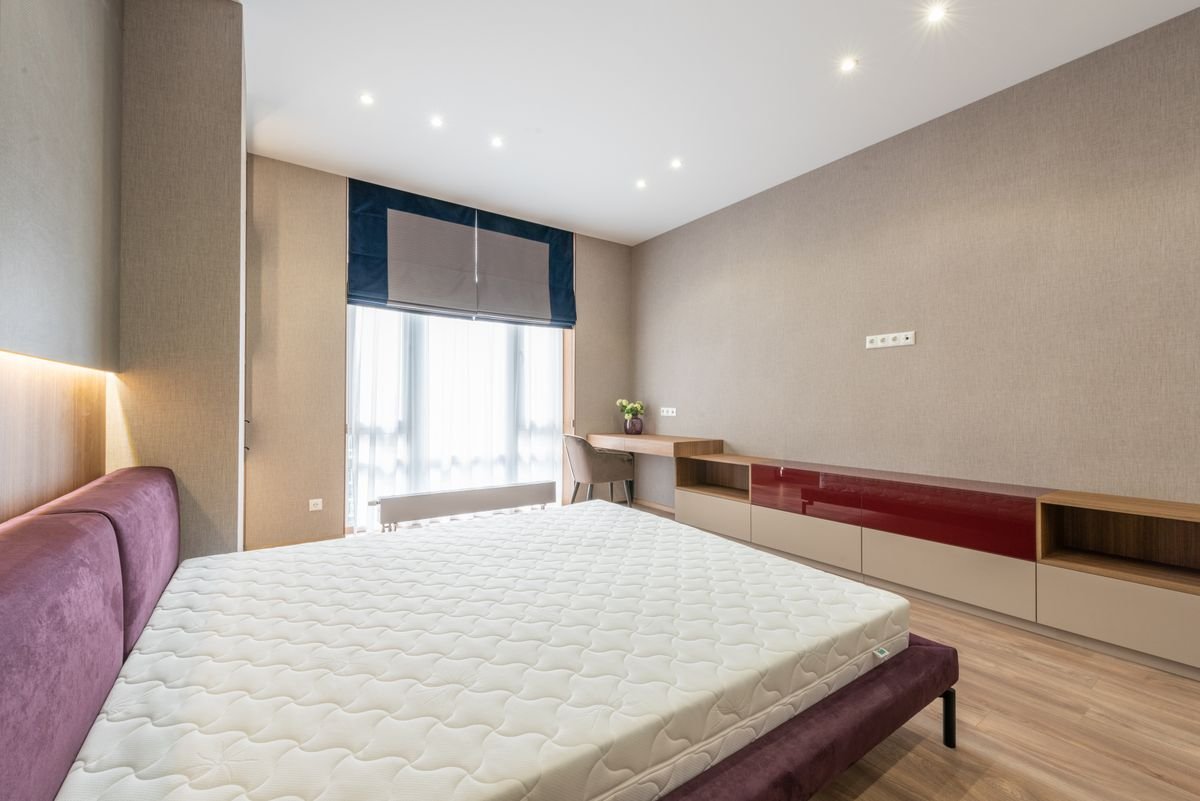
Most people spend 7-9 hours per night on their mattress — roughly one-third of their lives. Yet the connection between mattress quality and spinal health remains widely misunderstood. Chiropractors treat the consequences of poor sleep ergonomics daily. This article explains the mechanisms by which your mattress affects your spine and what the clinical evidence actually shows.
The Spine During Sleep: What’s Happening While You Rest
During sleep, the intervertebral discs — the cushioning structures between your vertebrae — rehydrate. These discs lose fluid during waking hours under the compressive forces of gravity and movement. Overnight, in a horizontal position, the discs absorb fluid and restore their height, which is why most people are slightly taller in the morning than at night.
This rehydration process requires that the spine remain in a relatively neutral position — neither hyperextended (arched excessively) nor flexed (rounded). A mattress that allows the hips to sink too deeply forces lumbar hyperextension; one that is too firm creates pressure points that cause the spine to curve laterally to relieve them. Either disrupts the rehydration process and can contribute to disc degeneration over time.
How a Mattress That’s Too Soft Harms the Spine
A mattress that’s too soft — where the hips sink 3 or more inches below the shoulders — creates what chiropractors call ‘hammocking.’ In this position, the lumbar spine is pulled into extension, compressing the facet joints at the back of the spine. Over multiple nights, this creates cumulative stress on the posterior elements of the lumbar vertebrae.
Patients who sleep on excessively soft mattresses often report morning stiffness that improves within 30-60 minutes of moving around — a classic sign of overnight joint compression. They may also report that their back pain is worst in the morning and improves throughout the day, which is the opposite pattern of disc-related pain but consistent with facet joint stress from poor sleep position.
How a Mattress That’s Too Firm Harms the Spine
An excessively firm mattress creates problems at the pressure points — primarily the hips and shoulders for side sleepers, and the heels and sacrum for back sleepers. When the mattress doesn’t yield enough at these points, the spine compensates by curving laterally to distribute weight, which over hours of sustained pressure creates muscular tension and can aggravate existing spinal conditions.
Very firm mattresses also tend to cause sleepers to reposition more frequently during the night. Each repositioning event interrupts sleep cycles, reducing time spent in the deep slow-wave and REM stages where tissue repair and nervous system recovery occur. Chiropractors treating patients with chronic pain note that sleep fragmentation from mattress discomfort can perpetuate pain sensitization — making the pain feel worse during waking hours.
The Ideal Mattress Position for Spinal Neutrality
Chiropractors describe the ideal sleep position as one where the spine maintains its natural curves — the cervical lordosis (neck curve), the thoracic kyphosis (upper back), and the lumbar lordosis (lower back) — without being forced into exaggeration of any curve. A properly supportive mattress maintains this neutrality in whatever sleep position the person naturally adopts.
For side sleepers, this means the mattress must yield enough at the shoulder to allow the shoulder to drop without forcing the spine to bow. For back sleepers, the lumbar region needs gentle support to maintain its natural inward curve without being overly propped. For stomach sleepers (which chiropractors generally discourage), maintaining spinal neutrality is nearly impossible without specific mattress and pillow accommodations.
Long-Term Spinal Consequences of Poor Sleep Surfaces
The research on mattress quality and back pain outcomes is increasingly robust. A landmark study published in The Lancet found that patients with chronic low back pain who switched to medium-firm mattresses reported significantly better pain outcomes than those on firm mattresses, challenging the longstanding clinical wisdom that ‘firm is better.’
Over years and decades, the cumulative effect of poor sleep ergonomics can contribute to accelerated disc degeneration, chronic muscular imbalances, and altered spinal alignment that becomes increasingly difficult to address through chiropractic treatment alone. Chiropractors view mattress quality as a preventive health investment — one that, when done correctly, reduces the severity and frequency of musculoskeletal problems they treat in their clinics.
When to Suspect Your Mattress Is Contributing to Back Pain
Key indicators that your mattress may be a factor in your back pain: pain that is worst in the morning and improves with movement, new or worsening back pain that began around the time you got a new mattress (or when your old one aged past 8-10 years), sleep positions that you find yourself avoiding because they hurt on your current mattress, or waking during the night due to discomfort rather than other causes.
If any of these apply, mention it to your chiropractor at your next visit. A brief evaluation of your sleep habits, position preferences, and current mattress characteristics can provide clinically meaningful information that guides both treatment and mattress selection recommendations.
Find Your Spine-Supporting Mattress Today
Our chiropractor advisors have reviewed and ranked the best sleep products for back and neck pain relief.
See research-aligned & Top-Rated Mattresses →ChiropractorSleep.com reviews the top mattresses evaluated for spinal alignment and pressure relief. Compare Amerisleep, Saatva, Purple, and more — and find the mattress that actually supports your spine.
Frequently Asked Questions
Can a bad mattress cause back pain?
Yes. A mattress that doesn’t support spinal neutrality — either by being too soft and allowing hip sinkage or too firm and creating pressure points — can contribute to and worsen back pain over time. This is a recognized factor in musculoskeletal health.
How does my mattress affect disc health?
Intervertebral discs rehydrate during sleep when the spine is horizontal. A mattress that forces the spine out of neutral alignment impairs this process and can contribute to disc degeneration over time. Maintaining spinal neutrality during sleep supports disc health.
What’s the ideal mattress firmness for spinal health?
Most chiropractors recommend medium to medium-firm. This range provides enough support to maintain lumbar curvature without creating pressure points that force compensatory lateral curving. Individual factors like body weight, sleep position, and existing spinal conditions affect the ideal point within this range.
Why is my back worse in the morning?
Morning back stiffness that improves with movement often indicates facet joint compression from a sleep position that places the lumbar spine in extension overnight — a common result of a mattress that’s too soft. It can also indicate disc-related issues that are exacerbated by overnight fluid accumulation.
How long does it take for a new mattress to affect back pain?
Most people notice meaningful changes within 4-6 weeks of switching to a properly supportive mattress. Initial adjustment discomfort in the first 1-2 weeks is normal as the body adapts to a new sleeping position. If pain worsens significantly beyond 2-3 weeks, the mattress may not be the right fit.
CS_DISCLOSURE: ChiropractorSleep.com is reader-supported. When you buy through links on our site, we may earn an affiliate commission at no extra cost to you. This content is for informational purposes only and does not constitute medical advice.
Related Guides
- The Ultimate Snooze Review: An Organic Latex Hybrid Built for Back Support
- Sleep Number i8 Review: Adjustable Firmness for Changing Pain Needs
- Saatva Zenhaven Review: Latex Mattress for Spinal Health
Support Picks for Better Sleep

Firm 12 Inch Queen Mattress, Hybrid Mattress Queen Size for Cooling Comfort & Back Pain Relief, CertiPUR-US Certified Mattresses in a Box, 365 Nights Trial, 10 Years Warranty – Fiberglass Free
- Unique Ergonomic Contour Design:
- 2 Heights for Different Sleep Needs:
- Premium Slow Rebound Memory Foam:
List Price :
Offer: 249.99 $
Go to Amazon