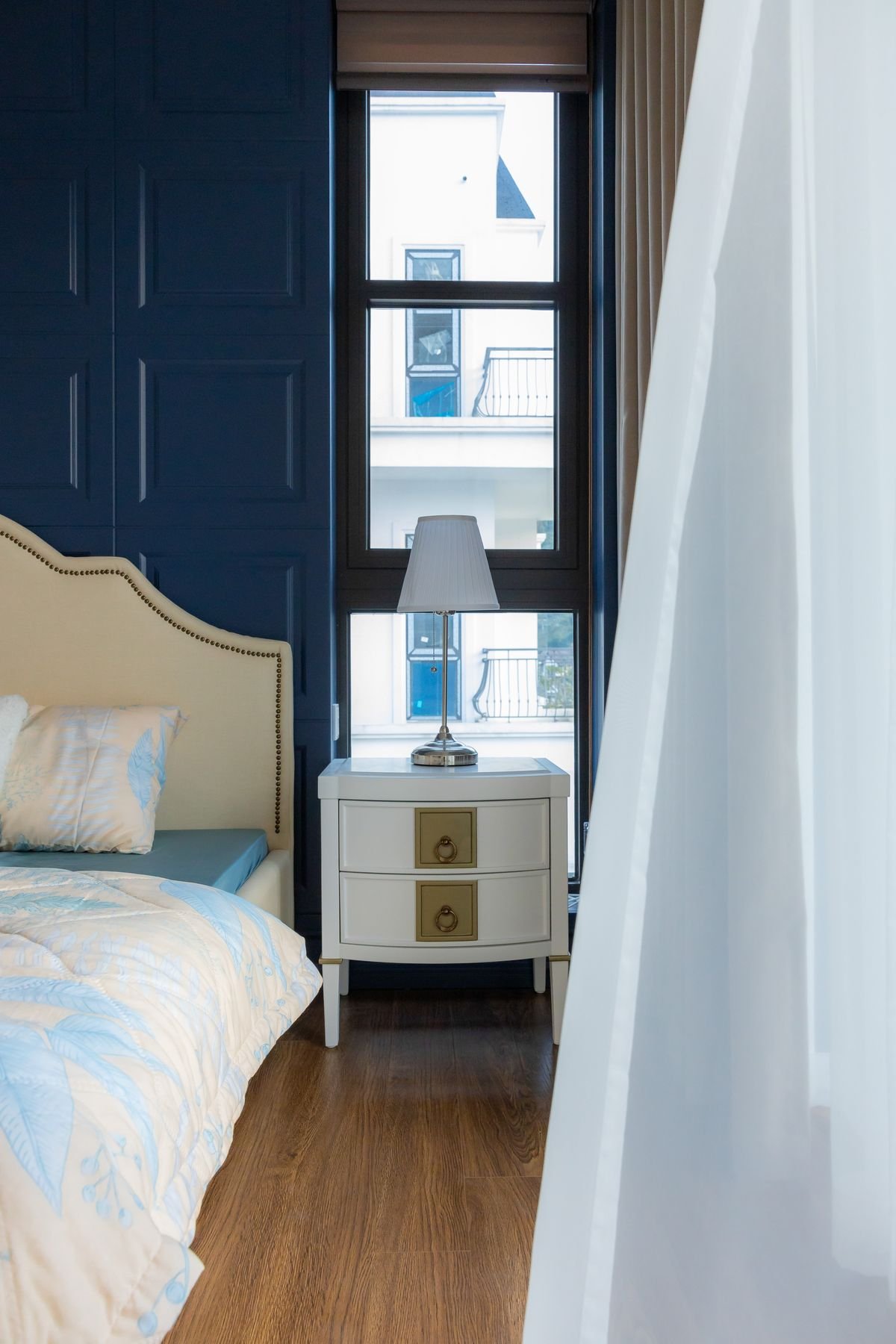
Not everyone can spend $1,500+ on a mattress — and chiropractors understand that clinical recommendations need to be achievable within real budgets. The good news is that the $700-$999 price range has genuinely improved over the past several years, with several mattresses that meet the core clinical criteria for spinal support. This guide identifies the best options and sets realistic expectations.
What to Realistically Expect in This Price Range
Mattresses under $1,000 can meet the clinical requirements for spinal support — appropriate firmness, reasonable pressure relief, and decent durability — but they typically make compromises compared to premium options. The most common compromises are: thinner comfort layers that reduce pressure relief for side sleepers, lower-density foams that may show earlier sagging, less sophisticated zoning systems, and shorter useful lifespans.
For patients with moderate, manageable back pain, these compromises are often acceptable. For patients with severe spinal conditions, significant disc pathology, or bodies that are harder to fit (very heavy or very light), the compromises in lower-priced mattresses may matter more clinically.
Nectar Original: The Best Value Foam Option
The Nectar Original (approximately $799 for Queen with frequent sales) offers a medium-firm feel (approximately 6-6.5) with a quilted memory foam comfort layer and a base foam that provides reasonable lumbar support. Its CertiPUR-US certified foam meets minimum safety standards.
From a clinical standpoint, the Nectar performs well for back sleepers and lighter-weight side sleepers who don’t need deep pressure relief. The memory foam’s response is slow, which isn’t ideal for combination sleepers, but back sleepers with lumbar pain often report meaningful improvement on the Nectar relative to older, worn mattresses.
Casper Element Pro: Clean Design with Solid Support
The Casper Element Pro ($899 for Queen) uses Casper’s AirScape foam technology, which features perforations through the comfort layer to improve airflow and pressure distribution. Its medium feel works for a range of sleepers, and the zoned support claims — while less sophisticated than Amerisleep’s HIVE system — provide basic lumbar reinforcement.
Casper is well-known for its trial period (100 nights) and easy return process, which matters for back pain patients trying to determine whether a mattress is helping or not. The ability to return without friction allows clinical assessment without financial risk.
Allswell Luxe Hybrid: Best Under-$1,000 Hybrid
For patients who want hybrid construction (foam plus coils) under $1,000, the Allswell Luxe Hybrid ($799-$899 for Queen) is the strongest clinical option. Its pocketed coil base and foam comfort layers provide the responsiveness that combination sleepers need, and the coil system helps prevent the premature sagging that sometimes occurs in all-foam mattresses at this price point.
The Allswell Luxe Hybrid’s 14.5-inch profile places it among the thicker options in this price range, with enough support base depth to avoid the ‘bottoming out’ that some thinner hybrids exhibit under heavier weight.
What to Avoid Under $1,000
Several categories of budget mattress are poor clinical choices despite low price points. Mattresses with memory foam density below 2.5 lb/cubic foot will soften quickly and develop body impressions within 2-3 years — often before any warranty claim would be actionable. Mattresses marketed as ‘ultra-plush’ or ‘cloud-like’ in this price range typically use low-density foam to achieve their soft feel, which degrades quickly.
Also avoid mattresses from brands with no documented return policy or trial period — this signals a manufacturer who doesn’t stand behind the product’s performance. Legitimate back pain mattresses at any price point should come with at least a 90-night trial.
Upgrading Strategically: When to Invest More
The honest advice from a clinical standpoint: if your back pain is severe, significantly affects your quality of life, or is associated with a structural diagnosis (disc herniation, stenosis, scoliosis), the additional $300-$500 investment to reach the $1,200-$1,500 range may be clinically justified. The support quality and durability differences become more meaningful when the stakes are higher.
However, for patients with mild to moderate back pain and healthy spinal structures, a well-chosen mattress in the $800-$999 range — paired with appropriate pillow choice and sleep position habits — can provide meaningful improvement over an aged or poorly suited mattress.
Find Your Spine-Supporting Mattress Today
Our chiropractor advisors have reviewed and ranked the best sleep products for back and neck pain relief.
See research-aligned & Top-Rated Mattresses →ChiropractorSleep.com reviews the top mattresses evaluated for spinal alignment and pressure relief. Compare Amerisleep, Saatva, Purple, and more — and find the mattress that actually supports your spine.
Frequently Asked Questions
Can a mattress under $1,000 be good for back pain?
Yes, but with realistic expectations. Options like the Nectar Original, Casper Element Pro, and Allswell Luxe Hybrid meet the core clinical criteria for spinal support. They typically use lower-density foams with shorter lifespans than premium options, which matters more for severe spinal conditions than mild to moderate back pain.
What is the best mattress under $1,000 for back pain?
The Nectar Original is the best value all-foam option for back sleepers and lighter side sleepers. The Allswell Luxe Hybrid is the best option for combination sleepers who want a hybrid under $1,000. Both meet clinical criteria for moderate back pain management.
How do budget mattresses compare to premium mattresses for back pain?
Budget mattresses typically use lower-density foams with shorter lifespans, simpler or absent zoning systems, and thinner comfort layers. For mild to moderate back pain, the clinical difference may be minimal initially. For severe or structural conditions, or patients who need long-lasting support, the quality gap becomes more significant.
What foam density should I look for in a budget mattress?
Look for at least 3 lb/cubic foot in the comfort layer and 1.5 lb/cubic foot in the support base. Below these thresholds, the foam will likely develop premature sagging. Budget mattresses that don’t disclose foam density specifications should be approached with caution.
Is a trial period important for budget mattresses?
Yes, arguably more important than for premium mattresses. Budget mattresses may not deliver on their marketing claims, and without a trial period, you have no recourse. Look for at least 90-night (preferably 100-night) trial periods with documented, straightforward return policies before purchasing.
CS_DISCLOSURE: ChiropractorSleep.com is reader-supported. When you buy through links on our site, we may earn an affiliate commission at no extra cost to you. This content is for informational purposes only and does not constitute medical advice.
Related Guides
- The Ultimate Snooze Review: An Organic Latex Hybrid Built for Back Support
- Sleep Number i8 Review: Adjustable Firmness for Changing Pain Needs
- Saatva Zenhaven Review: Latex Mattress for Spinal Health
Support Picks for Better Sleep

Firm 12 Inch Queen Mattress, Hybrid Mattress Queen Size for Cooling Comfort & Back Pain Relief, CertiPUR-US Certified Mattresses in a Box, 365 Nights Trial, 10 Years Warranty – Fiberglass Free
- Unique Ergonomic Contour Design:
- 2 Heights for Different Sleep Needs:
- Premium Slow Rebound Memory Foam:
List Price :
Offer: 249.99 $
Go to Amazon