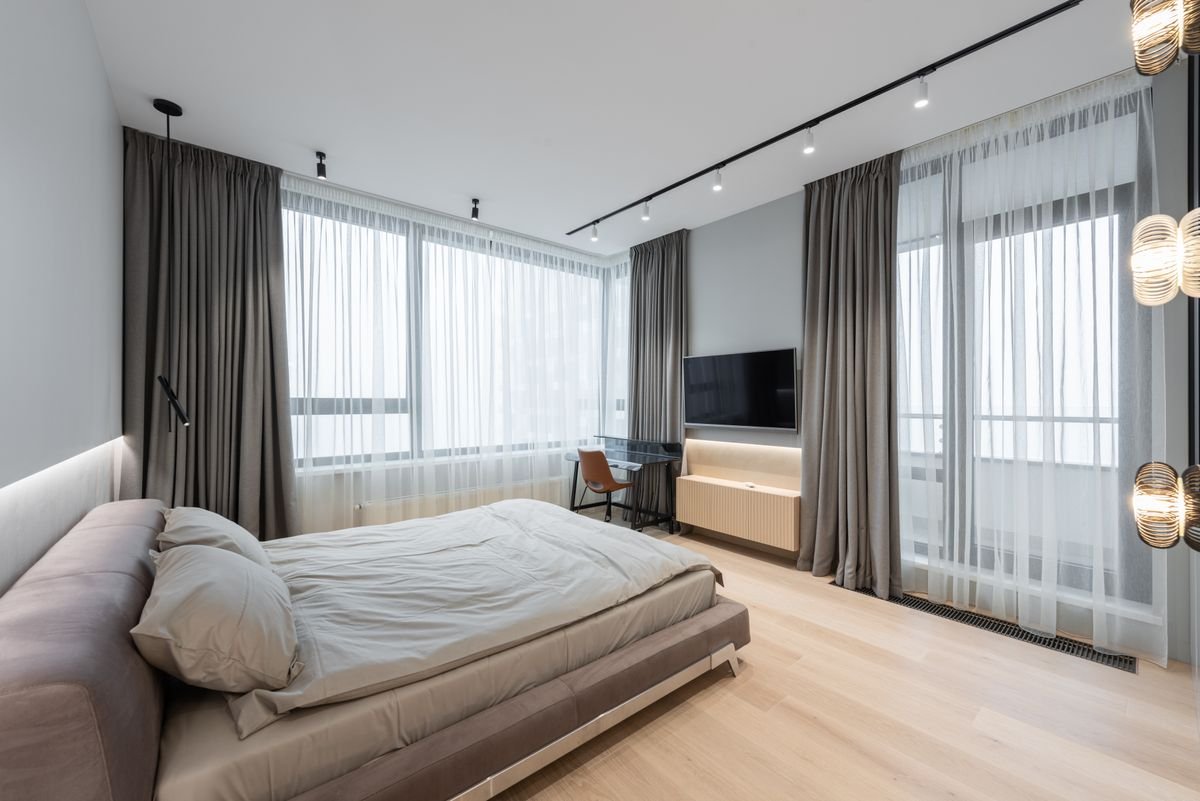
Side sleeping is the most popular position in the world, and it’s generally good for your spine — but only if your mattress does two jobs at once: cushion your shoulder and hip so they don’t dig in, and support your waist so your lower spine doesn’t sag out of line. Get that balance wrong and side sleeping becomes a fast track to lower-back and hip pain. Two brands dominate this conversation: Helix, the customizable hybrid you match to your body with an online quiz, and Saatva, the luxury innerspring hybrid known for chiropractor-friendly lumbar support. Here’s how they compare for side sleepers with back pain — and where a cooling hybrid like Glacier fits if you also sleep hot.
Helix vs Saatva at a glance
| Factor | Helix | Saatva Classic |
|---|---|---|
| Type | Hybrid (foam over wrapped coils) | Innerspring hybrid (coil-on-coil) |
| Personalization | Multiple models via a sleep quiz | Three firmness levels of one model |
| Best side-sleeper pick | Helix Midnight (medium) | Luxury Firm or Plush Soft |
| Lumbar support | Good; zoned on Luxe/Elite tiers | Zoned lumbar built into every model |
| Feel | Balanced foam-and-coil | Buoyant, supportive, “on top” |
| Delivery | Compressed in a box | Free white-glove + old-mattress removal |
| Price tier | Mid-range | Premium |
Why side sleeping and back pain is a balancing act
When you lie on your side, your shoulder and hip are the widest parts of your body, so they bear the most pressure and need room to sink in. If the mattress is too firm, those joints get jammed and your spine bows upward at the waist. If it’s too soft, your hips sink too far and your spine sags downward. The sweet spot is a surface that lets the shoulder and hip settle while gently holding the waist level — keeping the whole spine in one straight line from neck to tailbone. For most side sleepers with back pain, that means a medium to medium-firm mattress with a balance of contouring and support. Both Helix and Saatva can hit that target; they just get there differently.
Helix: personalization through a sleep quiz
Helix’s whole pitch is that there’s no single “best” mattress — there’s a best one for you. You take a short online quiz about your size, position, and firmness preference, and it points you to a specific model. For side sleepers, that’s usually the Helix Midnight, a medium-feel hybrid that cushions the shoulder and hip while individually wrapped coils support the spine and isolate motion. Couples like Helix because each person can theoretically be matched, and the coil base keeps the bed responsive and breathable. Step up to the Luxe or Elite tiers and you get zoned lumbar support and a more premium, cooler cover — worth considering if back pain is your main issue.
The trade-offs: Helix ships compressed in a box, so there’s no white-glove setup, and the entry models have a standard (not zoned) support layer. Because the comfort layers are foam, the basic models can run a touch warm compared with an airier coil bed, though less than an all-foam mattress.
Saatva: zoned lumbar support out of the box
Saatva takes the opposite approach: one acclaimed model, the Saatva Classic, in three firmness levels. Every unit includes a reinforced lumbar zone down the center, which is exactly what a sore lower back wants — it keeps the pelvis from dipping while you sleep. Side sleepers usually choose Luxury Firm for balanced support or Plush Soft if they want more give at the shoulder and hip. The coil-on-coil build means you sleep more on top of the mattress, making it easy to turn over and get up — a real benefit if pain makes you stiff. Saatva also includes free white-glove delivery and haul-away, and it breathes better than foam.
The downsides are price (it’s premium) and that very dedicated side sleepers who crave a deep “hug” may find even the Plush Soft a bit buoyant compared with memory foam.
Head-to-head for side sleepers with back pain
- Shoulder/hip pressure relief: Close. Helix Midnight and Saatva Plush Soft both cushion well; Helix’s foam comfort layer has a slight edge for deep pressure relief.
- Lumbar support: Saatva’s zoned support is standard on every model; with Helix you get it on the Luxe/Elite tiers.
- Ease of movement: Both are responsive hybrids, so repositioning is easy on either.
- Motion isolation: Helix’s wrapped coils plus foam isolate a partner’s movement slightly better.
- Cooling: Saatva’s coil-on-coil airflow runs cool; Helix is fine but warmer on base models. Neither is a dedicated cooling bed.
- Setup & service: Saatva’s included white-glove delivery is a genuine perk, especially if lifting a boxed mattress is hard on your back.
- Value: Helix is the more affordable entry point; Saatva is the premium splurge.
If you sleep hot, consider this first
Heat is the variable that trips up a lot of side sleepers with back pain. You finally find a bed that cushions your shoulder — and then you wake up sweating, which fragments the deep sleep your body uses to recover. Helix’s foam layers hold some warmth, and while Saatva breathes well, neither is engineered specifically for temperature control.
For readers who need that side-sleeper pressure relief and a genuinely cool night, we recommend Glacier. Glacier is a cooling-focused hybrid: supportive wrapped coils for spinal alignment and easy movement, paired with temperature-regulating materials built to draw heat away from your body. You keep the back-friendly benefits of a hybrid without the heat buildup of foam — the combination we’d reach for if night sweats are part of why you wake up sore.
Choosing by body type
Weight changes how a side-sleeper mattress performs. Lighter sleepers (under ~130 lbs) don’t compress the comfort layer much, so they often need a softer feel to get enough shoulder relief — Helix Midnight or Saatva Plush Soft. Average-weight sleepers have the most options and usually thrive on a medium to medium-firm hybrid. Heavier sleepers (over ~230 lbs) sink deeper and can bottom out a soft bed, washing out lumbar support; they’re typically better on a sturdier hybrid with strong coils and a cooler surface, which favors Saatva Luxury Firm, a Helix Luxe model, or a robust cooling hybrid like Glacier.
Don’t forget your pillow
For side sleepers, the mattress is only half the alignment equation. Your pillow has to fill the gap between your ear and shoulder so your neck stays level with the rest of your spine — too flat and your head drops, too tall and it cranks upward. A medium-to-high loft pillow paired with the right mattress firmness is what keeps your entire spine straight. Many people blame the mattress for morning neck and upper-back pain when the real culprit is a pillow that no longer holds its shape.
A simple 4-week test for your back
All three brands offer home trials, so let your body decide rather than a showroom. Give a new mattress two to four weeks — your spine needs time to adapt, and early stiffness on a more supportive bed often eases. Track three signals: how your back feels in the first 30 minutes after waking, whether you’re overheating, and how often you wake up shifting position. Improving mornings by week three is a good sign you’ve matched your support level. If you’re still sore or sweating, use the trial window to switch.
Which should you choose?
- Choose Helix if you want to match a mattress to your exact body and position, prefer a balanced foam-and-coil feel, and want a mid-range price — start with the Midnight, or a Luxe/Elite tier for zoned lumbar support.
- Choose Saatva if you want zoned lumbar support standard, firmness options, easy movement, and white-glove delivery, and you’re comfortable in the premium tier.
- Consider Glacier if you sleep hot and need hybrid support — it targets cooling and spinal alignment in one mattress.
Common side-sleeping mistakes that aggravate back pain
Even on the right mattress, a few habits quietly undo good spinal alignment. Curling into a tight fetal position rounds the lower back and compresses the discs; a gentle, slightly extended side position is easier on the spine. Letting the top leg slide forward and drop rotates the pelvis and twists the lumbar spine — a thin pillow between the knees keeps the hips stacked and the pelvis neutral. Always sleeping on the same side can overload one hip and shoulder over time, so alternating sides helps. And reaching the bottom arm straight up under the pillow strains the shoulder you’re already loading. Small adjustments like a knee pillow and a properly lofted head pillow often deliver as much relief as upgrading the mattress itself.
A chiropractor-minded checklist before you buy
- Does it keep your spine level? Lying on your side, your nose, breastbone, and belly button should line up; your waist shouldn’t sag or arch.
- Does it relieve your shoulder and hip? Those pressure points should feel cushioned, not jammed.
- Can you move easily? If turning over or getting up feels like climbing out of a hole, the bed is too soft or too deep-contouring for a stiff back.
- Does it stay cool enough? Overheating fragments the restorative sleep your body uses to recover from pain.
- Is there a real trial? Your back’s verdict after a few weeks matters far more than how a bed feels for five minutes in a store.
Run any mattress — Helix, Saatva, Glacier, or otherwise — through those five questions, and you’ll have a far better shot at waking up without that familiar morning ache.
The bottom line
For side sleepers with back pain, Helix wins on personalization and value, while Saatva wins on standard zoned lumbar support and white-glove service. If you also sleep hot, a cooling hybrid like Glacier lets you solve pressure relief and temperature at the same time instead of trading one problem for another. Whichever you pick, lean on the home trial, give your spine a few weeks to settle in, and let your mornings be the judge.
Frequently asked questions
What firmness is best for side sleepers with back pain?
Most do best in the medium to medium-firm range — soft enough to cushion the shoulder and hip, firm enough to keep the waist supported so the spine stays straight. Lighter sleepers can go a touch softer; heavier sleepers usually need a bit more support.
Is a hybrid better than memory foam for side sleepers?
Hybrids like Helix, Saatva, and Glacier give you coil support with a cushioning comfort layer, plus easier movement and better airflow than all-foam beds. Dedicated memory-foam fans may prefer a deeper hug, but for back pain the support and breathability of a hybrid are usually worth it.
Do these mattresses come with a trial?
Yes — all three offer home trials so you can test how your back responds over weeks. Always confirm current trial length and return terms on the brand’s website before buying.
This article is for general educational purposes and is not medical advice. If you have persistent or severe back pain, talk to your chiropractor or physician about what’s right for you. ChiropractorSleep is reader-supported and may earn a commission from links on this page, at no extra cost to you.
Related Guides
- How Chiropractic Care Improves Sleep Quality
- The Connection Between Posture and Sleep: What Chiropractors Know
- When Should You See a Chiropractor for Back Pain?
Support Picks for Better Sleep

Firm 12 Inch Queen Mattress, Hybrid Mattress Queen Size for Cooling Comfort & Back Pain Relief, CertiPUR-US Certified Mattresses in a Box, 365 Nights Trial, 10 Years Warranty – Fiberglass Free
- Unique Ergonomic Contour Design:
- 2 Heights for Different Sleep Needs:
- Premium Slow Rebound Memory Foam:
List Price :
Offer: 249.99 $
Go to Amazon