Affiliate Disclosure: ChiropractorSleep earns a commission when you purchase through our links at no extra cost to you. Our recommendations are based on chiropractic principles of spinal alignment and sleep health.
Medical Note: This article is for general educational purposes. Always consult your chiropractor, physician, or physical therapist regarding your specific diagnosis and treatment plan.
Scoliosis presents unique sleep challenges: the abnormal lateral and rotational spinal curvature creates asymmetric pressure distribution, uneven muscle tension, and varying comfort needs on each side of the body. Sleep management for scoliosis requires understanding the specific curve pattern and adapting positioning accordingly. Here’s the clinical framework.
Types of Scoliosis and Sleep Implications
Scoliosis curves vary in location (thoracic, lumbar, or thoracolumbar), direction (right or left convexity), and severity (Cobb angle). A right thoracic curve creates different pressure asymmetries than a left lumbar curve. The specific positioning recommendations depend on the individual’s curve pattern — making one-size-fits-all advice less applicable than for other spinal conditions.
General Positioning Principles
Side sleeping is generally well-tolerated for scoliosis patients. Many patients find they prefer one side over the other based on their specific curve direction — sleeping on the concave side of a thoracic curve often provides more comfort because the rib prominence (on the convex side) doesn’t create a pressure point against the mattress. Back sleeping is acceptable for many scoliosis patients, particularly those without significant rotational component. A lumbar roll or towel placed under the concave side of the lumbar curve can help fill the asymmetric gap.
Mattress Considerations for Scoliosis
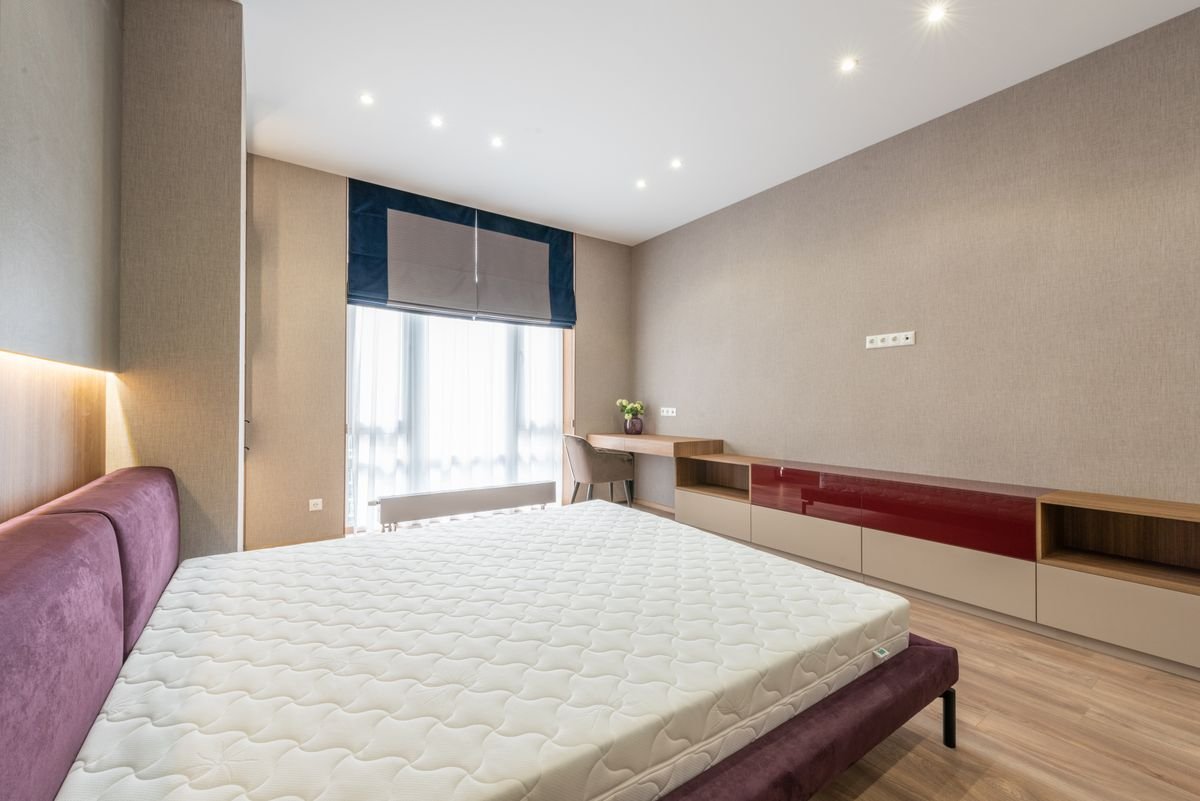
Medium to medium-firm mattresses work for most scoliosis patients. Zoned support systems are particularly relevant — a mattress that provides firmer support under the lumbar region and softer support at the shoulders can compensate for some of the asymmetric loading. The key is avoiding mattresses that force the curved spine into the mattress surface asymmetrically. Patients should assess whether they wake with increased pain on a given surface and adjust accordingly within their trial period.
Pillow Placement for Scoliosis
In side sleeping, placing a small pillow under the waist on the concave side fills the gap created by the lateral curve. This is the equivalent intervention to the lumbar roll for standard back pain — it fills the space that would otherwise be bridged by sustained muscle contraction. Experiment with pillow size and placement at your chiropractor’s recommendation for your specific curve.
Related Guides
- How Chiropractic Care Improves Sleep Quality
- The Connection Between Posture and Sleep: What Chiropractors Know
- When Should You See a Chiropractor for Back Pain?
Support Picks for Better Sleep

Firm 12 Inch Queen Mattress, Hybrid Mattress Queen Size for Cooling Comfort & Back Pain Relief, CertiPUR-US Certified Mattresses in a Box, 365 Nights Trial, 10 Years Warranty – Fiberglass Free
- Unique Ergonomic Contour Design:
- 2 Heights for Different Sleep Needs:
- Premium Slow Rebound Memory Foam:
List Price :
Offer: 249.99 $
Go to Amazon