Affiliate Disclosure: ChiropractorSleep earns a commission when you purchase through our links at no extra cost to you. Our recommendations are based on chiropractic principles of spinal alignment and sleep health.
Medical Note: This article is for general educational purposes. Always consult your chiropractor, physician, or physical therapist regarding your specific diagnosis and treatment plan.
Understanding how chronic pain disrupts sleep goes beyond “pain wakes you up.” The relationship between pain and sleep operates at the level of sleep architecture — the staging and cycling of sleep that determines whether you wake feeling restored or depleted. Here’s the clinical picture of what chronic pain actually does to your sleep.
Normal Sleep Architecture
Healthy sleep cycles through four stages approximately every 90 minutes: N1 (light sleep, transition), N2 (light sleep, memory consolidation), N3 (slow-wave deep sleep, physical restoration), and REM (rapid eye movement, emotional processing and dreaming). A healthy adult spends about 15–20% of the night in N3 deep sleep and 20–25% in REM. These deeper stages are where tissue repair, immune function, growth hormone release, and memory consolidation occur.
What Chronic Pain Does to Sleep Architecture
Chronic pain disrupts sleep through multiple mechanisms. First, direct arousal: pain activates the sympathetic nervous system, creating partial or full arousals that fragment sleep and prevent progression to deeper stages. Second, alpha intrusion: in chronic pain patients, alpha waves (associated with wakefulness) intrude into NREM sleep, creating “light sleep” patterns where deep sleep stages should be occurring. Third, sleep stage bias: pain patients spend disproportionately more time in light N1 and N2 sleep and less time in restorative N3 and REM.
The Consequence: Central Sensitization
Reduced slow-wave sleep has a direct effect on pain perception: deep sleep suppresses substance P and other pro-nociceptive neurotransmitters. When deep sleep is chronically reduced, pain sensitivity increases. This creates the perpetuating cycle: pain reduces deep sleep; reduced deep sleep increases pain sensitivity; increased sensitivity causes more sleep disruption. Breaking this cycle — through any intervention that improves sleep depth — has direct therapeutic benefit on pain levels.
Interventions That Restore Sleep Architecture
Effective approaches include: optimizing sleep position and surface to minimize pain-driven arousals; white noise to reduce sound-triggered arousals; cognitive behavioral therapy for insomnia (CBT-I) which has strong evidence for chronic pain populations; treating underlying pain conditions through chiropractic care; and in some cases, short-term targeted medical management of sleep disruption.
Related Guides
- Sleep Hygiene Tips for Chronic Pain Patients
- Why Your Back Hurts More in the Morning: 5 Clinical Causes
- Fibromyalgia and Sleep: What the Research Says
Support Picks for Better Sleep

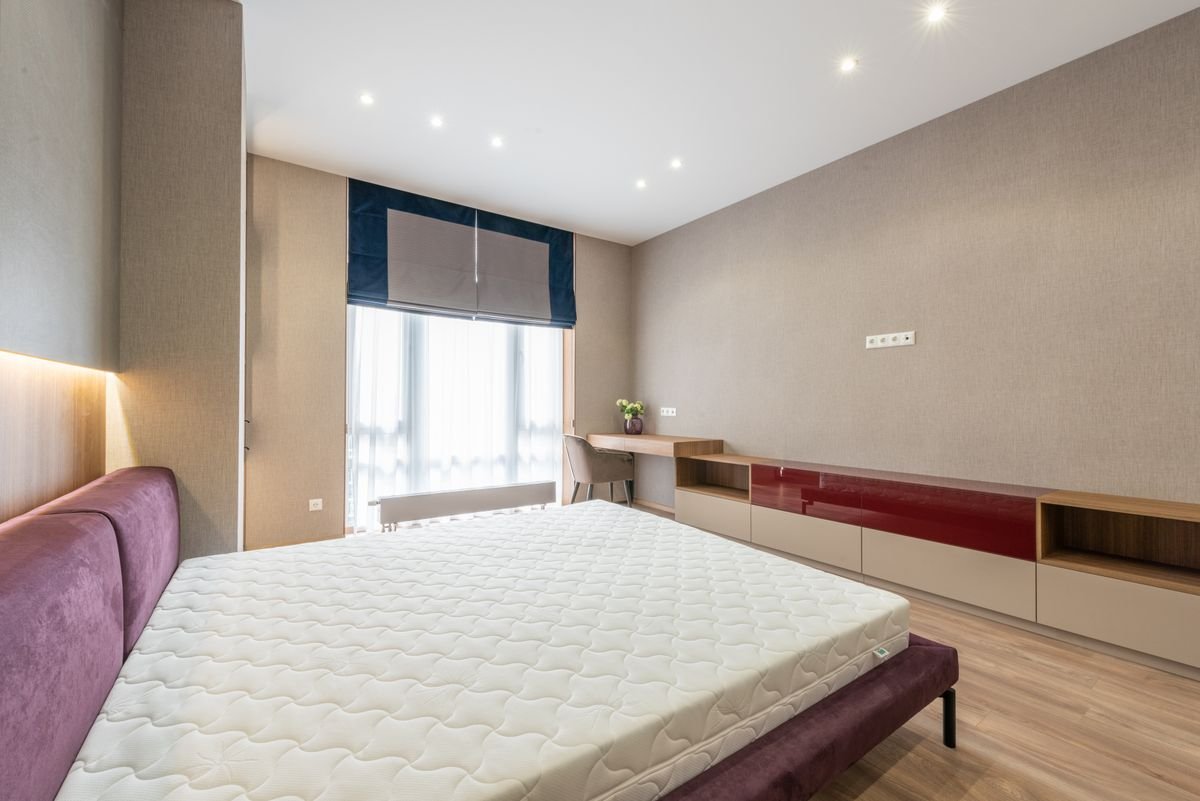
Firm 12 Inch Queen Mattress, Hybrid Mattress Queen Size for Cooling Comfort & Back Pain Relief, CertiPUR-US Certified Mattresses in a Box, 365 Nights Trial, 10 Years Warranty – Fiberglass Free
- 12 Inch Queen Mattress / Firm Hybrid Mattress Queen
- Optimal Firmness Where You Need It – Hundreds of high-compression springs adapt to your body’s unique curves, delivering targeted support and pressure relief. Reinforced with industrial-grade steel, these springs hold their shape for years of use. So you wake up without stiffness – just refreshed, balanced comfort
- Breathable Mattress Queen Size – Unlike all-foam mattresses that trap heat, this coil-and-foam hybrid mattress combines responsive coils with premium foam layers to promote continuous airflow. The open structure of the hybrid system acts like tiny ventilation channels, helping you stay comfortable throughout the night
List Price :
Offer: 249.99 $
Go to Amazon