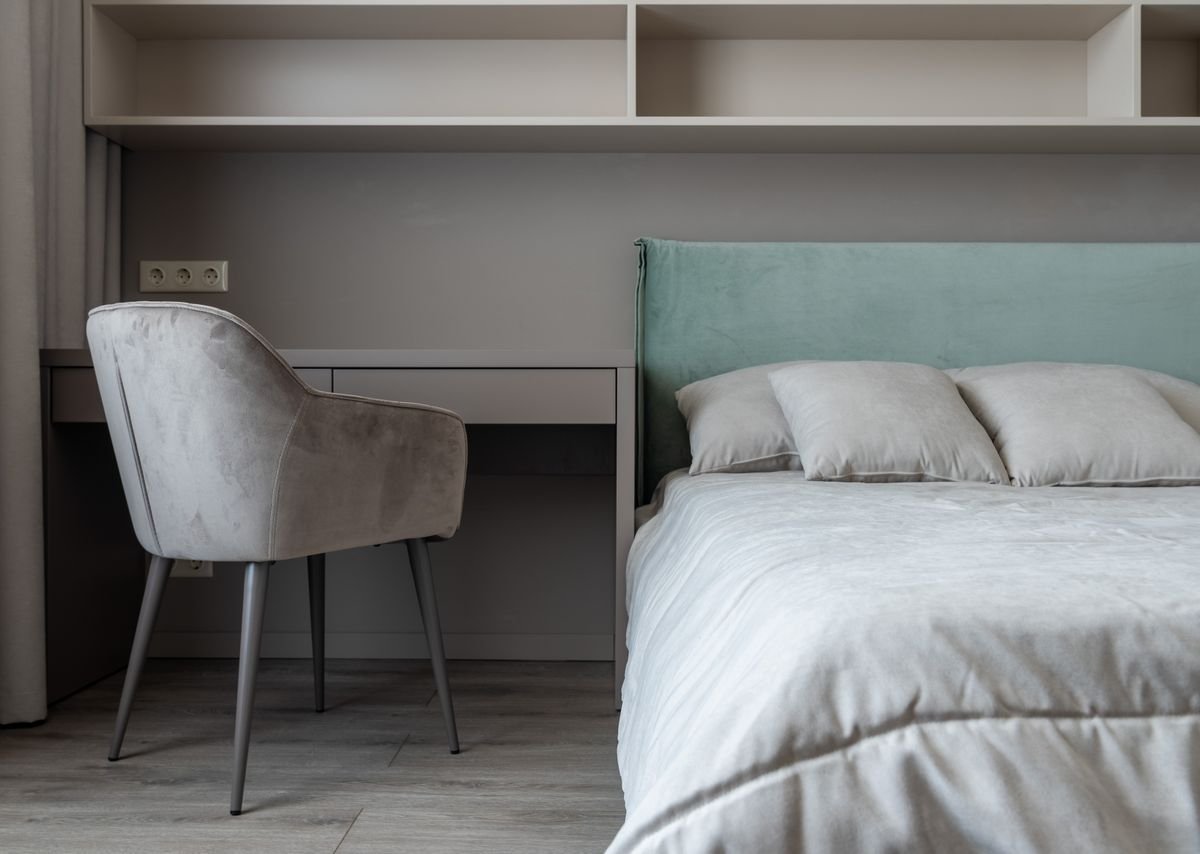
The Amerisleep AS3 is the most cited mattress in chiropractic recommendations — and for good reason. This review examines what makes the AS3 work well for back pain patients, where it excels, where it falls short, and who is (and isn’t) the right fit for this mattress.
Construction and Materials: What’s Inside the AS3
The Amerisleep AS3 features a 3-inch Bio-Pur foam comfort layer on top — a proprietary open-cell foam that Amerisleep claims is 8 times more breathable than traditional memory foam. Below that sits a 2-inch HIVE transition layer (Harnessing Intelligent Ventilation and Energy) and a 7-inch Bio-Core support base.
The HIVE layer is the feature that earns the most clinical attention. It consists of hexagonal cutouts in the foam that create five distinct support zones across the length of the mattress — firmer hexagons under the lumbar and softer configurations under the shoulders and legs. This zoning mimics what a manual therapist would achieve with targeted spinal support.
How the AS3 Performs for Back Pain Patients
In practice, the AS3’s medium feel (approximately 5.5-6 on the 10-point scale) works well for a wide range of patients — side sleepers with back pain, combination sleepers, and lighter-weight back sleepers. The Bio-Pur foam provides immediate pressure relief without the ‘stuck’ feeling of slower-response memory foam, which is clinically significant because patients with back pain often need to reposition during the night.
The HIVE lumbar zone is measurable — you can feel the difference in firmness under the lower back versus the shoulder area when pressing down manually. Whether this translates directly to spinal alignment improvement is harder to quantify, but the pressure mapping data Amerisleep provides shows notably lower lumbar pressure scores than most competing foam mattresses at this price point.
Temperature: Bio-Pur vs Traditional Memory Foam
A common complaint with memory foam mattresses is heat retention, which can exacerbate inflammation-related back pain. The Bio-Pur foam’s open-cell structure does sleep noticeably cooler than traditional memory foam — not as cool as the Purple Grid or most latex mattresses, but significantly better than standard memory foam.
For patients whose back pain is associated with inflammation, sleeping cool is a legitimate clinical consideration. Chronically elevated tissue temperature can sustain inflammatory cycles and reduce the quality of restorative sleep stages. The AS3’s thermal performance is a meaningful practical advantage over budget memory foam options.
Motion Isolation and Edge Support
The AS3 performs well on motion isolation — a practical consideration for couples, as back pain is often sensitive to disturbance from a partner’s movement. The foam construction absorbs motion rather than transferring it across the mattress surface. This is particularly relevant for back pain patients in acute flare-ups.
Edge support is the AS3’s most notable weakness. Like most foam mattresses, the AS3 compresses significantly at the edge, which can be a challenge for patients who need to use the edge of the mattress to push up to sitting — a movement many back pain patients rely on. If edge support is a priority, a hybrid mattress with perimeter reinforcement coils would be a better fit.
Who Should and Shouldn’t Buy the AS3
The AS3 is an excellent fit for: side sleepers with general back pain (especially lumbar), combination sleepers who need responsive foam that accommodates position changes, lighter-weight back sleepers (under 200 pounds), and patients who’ve had poor results with traditional memory foam and want something more responsive.
The AS3 is a less ideal fit for: heavier back sleepers (over 220 pounds) who may compress through the comfort layers and feel the firmer base, strict back sleepers with significant lumbar lordosis who may want the slightly firmer AS2, and patients with severe edge support needs due to mobility limitations.
Pricing and Trial Period
The Amerisleep AS3 is priced at $1,049-$1,499 depending on size (Queen is approximately $1,249), which positions it in the premium-mid tier — well below luxury brands like Tempur-Pedic but above budget foam options. Amerisleep offers a 100-night sleep trial and a 20-year warranty, which is one of the longest in the industry.
For a chiropractor-informed buyer considering the AS3 as a health investment, the 20-year warranty is particularly meaningful — it signals manufacturer confidence in material durability that shorter warranties don’t convey. The 100-night trial is sufficient to assess back pain response, which typically becomes clear within 6-8 weeks.
Find Your Spine-Supporting Mattress Today
Our chiropractor advisors have reviewed and ranked the best sleep products for back and neck pain relief.
See research-aligned & Top-Rated Mattresses →ChiropractorSleep.com reviews the top mattresses evaluated for spinal alignment and pressure relief. Compare Amerisleep, Saatva, Purple, and more — and find the mattress that actually supports your spine.
Frequently Asked Questions
Why do chiropractors recommend the Amerisleep AS3?
Chiropractors recommend the AS3 primarily for its HIVE zoning technology, which creates distinct support zones that provide firmer support under the lumbar and softer pressure relief under the shoulders. This targeted support architecture aligns with clinical goals for spinal neutrality during sleep.
Is the Amerisleep AS3 good for back pain?
Yes. The AS3 is well-suited for most back pain patients, particularly side sleepers and combination sleepers. Its medium feel and zoned lumbar support make it effective for a wide range of back pain conditions. It’s one of the most clinically cited foam mattresses for back health.
What is Bio-Pur foam?
Bio-Pur is Amerisleep’s proprietary open-cell foam that provides pressure relief similar to memory foam but with significantly better breathability and faster response time. It doesn’t trap heat the way traditional memory foam does and allows easier repositioning during the night.
Is the Amerisleep AS3 worth the price?
At $1,249 for a Queen, the AS3 is priced competitively for a premium foam mattress with clinical-grade zoning. Its 20-year warranty supports the investment value. For back pain patients, the clinical benefits of proper spinal support often justify the premium over budget options.
How does the AS3 compare to the AS2 and AS4?
The AS2 (medium-firm) is better for back sleepers with lumbar pain who need more firmness. The AS3 (medium) is the most versatile across sleep positions. The AS4 (medium-soft) is for side sleepers needing maximum pressure relief, usually lighter individuals. Chiropractors most often recommend the AS3 as a starting point.
CS_DISCLOSURE: ChiropractorSleep.com is reader-supported. When you buy through links on our site, we may earn an affiliate commission at no extra cost to you. This content is for informational purposes only and does not constitute medical advice.
Related Guides
- The Ultimate Snooze Review: An Organic Latex Hybrid Built for Back Support
- Sleep Number i8 Review: Adjustable Firmness for Changing Pain Needs
- Saatva Zenhaven Review: Latex Mattress for Spinal Health
Support Picks for Better Sleep

Firm 12 Inch Queen Mattress, Hybrid Mattress Queen Size for Cooling Comfort & Back Pain Relief, CertiPUR-US Certified Mattresses in a Box, 365 Nights Trial, 10 Years Warranty – Fiberglass Free
- Unique Ergonomic Contour Design:
- 2 Heights for Different Sleep Needs:
- Premium Slow Rebound Memory Foam:
List Price :
Offer: 249.99 $
Go to Amazon