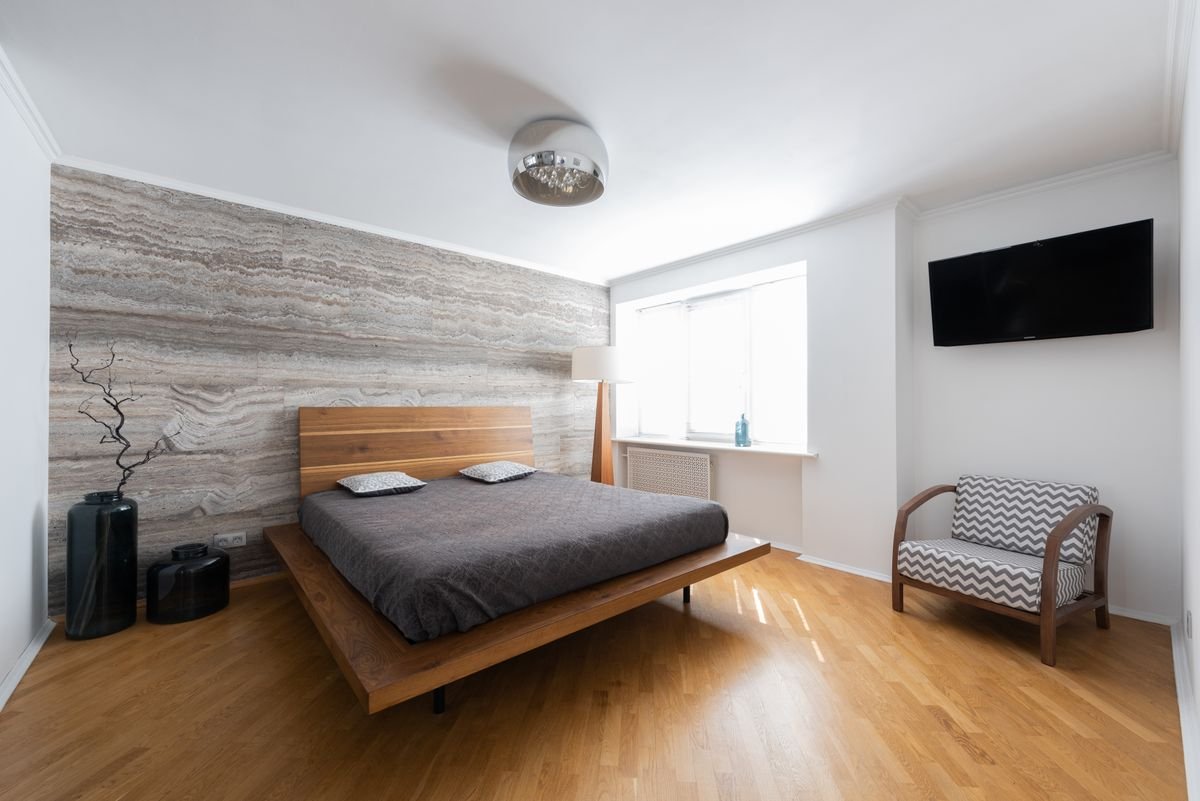
Back sleeping (supine position) is the most top-rated for back pain sleep position — but even in the ideal position, the wrong mattress can fail to provide the lumbar support that prevents or worsens lower back pain. This guide identifies what back sleepers with lumbar pain specifically need from a mattress and which options deliver it.
What Back Sleepers with Lumbar Pain Need from a Mattress
In back sleeping, the lumbar spine is in direct contact with the mattress — unlike side sleeping where it’s the shoulder and hip that bear the primary load. The mattress must support the natural lumbar lordosis (the inward curve of the lower back) without allowing it to flatten against the surface or pushing it into exaggerated extension.
The key requirement is what chiropractors call ‘lumbar contouring’ — the mattress gently follows the curve of the lower back, providing passive support that maintains the lordotic curve without requiring the back muscles to work to maintain it during sleep. This passive support reduces overnight muscular tension and allows the back muscles to genuinely rest.
Firmness for Back Sleepers with Lumbar Pain
Medium-firm (6.5-7) is the most consistently recommended firmness for back sleepers with lumbar pain. Softer mattresses allow the hips to sink too deeply, flattening the lumbar curve — a position that stresses the lumbar facet joints and posterior disc. Firmer mattresses provide excellent lumbar curve maintenance but can create pressure at the sacrum and heels, disrupting sleep quality.
Body weight is the critical modifier. A 150-pound back sleeper in the medium-firm range (6.5) will experience different support than a 250-pound back sleeper on the same mattress. The heavier sleeper compresses the comfort layers more, effectively getting a softer feel — they may need to go to a firm (7.5-8) to achieve what a lighter person gets from medium-firm.
Top Mattress Picks for Back Sleepers with Lumbar Pain
The Amerisleep AS2 (medium-firm) is the most frequently recommended Amerisleep model specifically for back sleepers with lumbar pain. Its HIVE zoning provides enhanced resistance under the lumbar region while slightly softening under the legs, creating the contouring support that maintains lumbar lordosis during back sleeping.
The Saatva Classic Luxury Firm is the top hybrid recommendation for back sleepers with lumbar pain. Its lumbar zone enhancement — extra coils in the central third — provides passive lumbar support that works particularly well in back sleeping position where the lumbar is in direct contact with the mattress.
The Knee Pillow: Non-Negotiable for Back Sleepers
For back sleepers with lumbar pain, a pillow under the knees is as important as mattress choice. Placing a pillow (or bolster) under the knees creates a slight flexion of the hip and knee, which reduces the pull of the hip flexors on the lumbar spine. Tight hip flexors — extremely common in desk workers — pull the lumbar spine into anterior tilt and increased lordosis when lying flat, creating sustained stretch on the posterior lumbar structures.
A firm pillow or bolster placed under the knees so the knees are elevated 6-8 inches above the mattress surface is typically sufficient. This small modification can produce significant reduction in lumbar pain during back sleeping and is one of the most reliable interventions chiropractors recommend.
Lumbar Support Pillows and Roll Inserts
Some back sleepers with significant lumbar lordosis find that even a medium-firm mattress doesn’t fill in the gap between the mattress surface and their lumbar spine adequately. A rolled towel or specific lumbar roll placed in the small of the back can provide additional contouring support without changing the mattress.
Lumbar support pillows designed for sleep use are available from several brands (Core Products, Therapeutica) and can be particularly useful during the period when a new mattress is being broken in or when traveling on a mattress that doesn’t provide adequate lumbar support.
When Back Sleeping Worsens Lumbar Pain
If lumbar pain is consistently worse when back sleeping than in other positions, this pattern provides diagnostic information. Conditions that worsen in extension (spinal stenosis, facet joint arthritis, spondylolysis) typically worsen with flat back sleeping because the supine position places the lumbar spine in moderate extension. For these patients, an adjustable base that allows slight head and knee elevation — reducing lumbar extension — can be clinically significant.
If back sleeping in any position causes radiating leg pain (sciatica), this suggests that the disc or nerve root involvement is creating position-sensitive symptoms that need clinical evaluation rather than just mattress adjustment.
Find Your Spine-Supporting Mattress Today
Our chiropractor advisors have reviewed and ranked the best sleep products for back and neck pain relief.
See research-aligned & Top-Rated Mattresses →ChiropractorSleep.com reviews the top mattresses evaluated for spinal alignment and pressure relief. Compare Amerisleep, Saatva, Purple, and more — and find the mattress that actually supports your spine.
Frequently Asked Questions
What mattress is best for back sleepers with lower back pain?
Medium-firm mattresses with lumbar zoning are best for back sleepers with lower back pain. The Amerisleep AS2 and Saatva Classic Luxury Firm are the most consistently recommended options by chiropractors. Both provide enhanced lumbar support in the zone where the lower back makes direct contact with the mattress during back sleeping.
Should a back sleeper use a pillow under the knees?
Yes. A pillow under the knees reduces hip flexor tension that pulls the lumbar spine into anterior tilt when lying flat. This is one of the most reliable and consistently recommended modifications for back sleepers with lumbar pain.
Is medium-firm or firm better for a back sleeper with lumbar pain?
Medium-firm (6.5-7) is best for most back sleepers with lumbar pain at average weight ranges. Firm is appropriate for heavier back sleepers (over 230 lbs) who compress the comfort layers more. Very firm mattresses can create pressure at the sacrum and heels, disrupting sleep.
Can back sleeping make lower back pain worse?
If lumbar pain is worse when back sleeping, it may indicate a condition that worsens in extension — such as spinal stenosis or facet arthritis. In this case, an adjustable base that allows slight head and knee elevation to reduce lumbar extension may provide relief.
What is the best pillow setup for a back sleeper with lower back pain?
A medium-loft contoured cervical pillow maintains neck alignment, and a firm pillow or bolster under the knees (elevating them 6-8 inches) reduces hip flexor tension and lumbar extension. Both modifications together address the most common mechanical contributors to back sleeper lumbar pain.
CS_DISCLOSURE: ChiropractorSleep.com is reader-supported. When you buy through links on our site, we may earn an affiliate commission at no extra cost to you. This content is for informational purposes only and does not constitute medical advice.
Related Guides
- The Ultimate Snooze Review: An Organic Latex Hybrid Built for Back Support
- Sleep Number i8 Review: Adjustable Firmness for Changing Pain Needs
- Saatva Zenhaven Review: Latex Mattress for Spinal Health
Support Picks for Better Sleep

Firm 12 Inch Queen Mattress, Hybrid Mattress Queen Size for Cooling Comfort & Back Pain Relief, CertiPUR-US Certified Mattresses in a Box, 365 Nights Trial, 10 Years Warranty – Fiberglass Free
- Unique Ergonomic Contour Design:
- 2 Heights for Different Sleep Needs:
- Premium Slow Rebound Memory Foam:
List Price :
Offer: 249.99 $
Go to Amazon