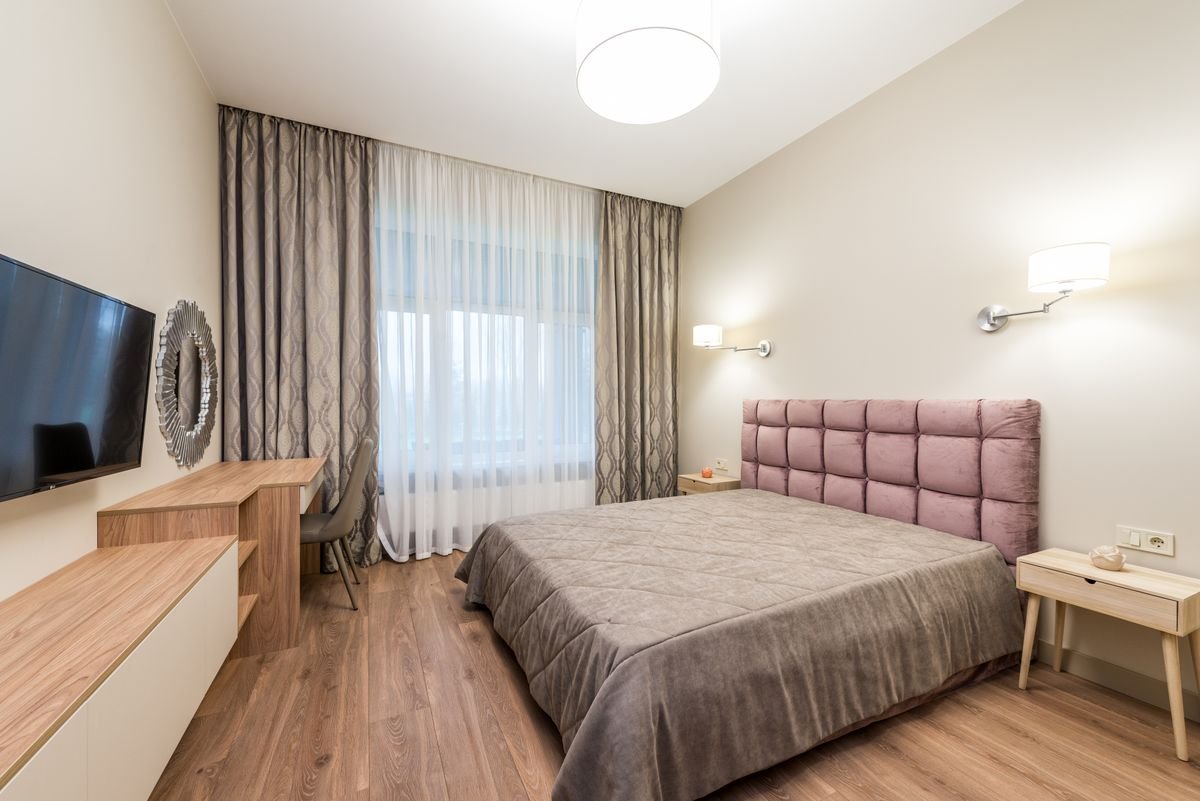
Adjustable bases — motorized bed frames that allow the head and foot of the mattress to be elevated independently — have moved from hospital settings into mainstream bedroom furniture. For back pain patients, the claims are compelling: customized sleeping position, reduced lumbar pressure, relief for specific spinal conditions. But do adjustable bases actually deliver on these clinical promises? Here’s an honest assessment.
The adjustable base we recommend
Amazon Basics Adjustable Bed Base (Queen)
Head-and-foot incline, wireless remote, and a whisper-quiet motor — the most reliable budget base we track. Around $399 and in stock.
What Adjustable Bases Do and How They Work
Modern adjustable bases use an electric motor system to raise or lower the head section, the foot section, or both independently. Basic models offer simple incline adjustment; premium models include lumbar support zones, wall-hugger mechanisms, massage features, and split control for couples.
When the head is elevated 30-45 degrees and the knees raised slightly, the body is in what’s called ‘Zero Gravity’ position — a configuration originally developed for astronauts to reduce spinal load in high-G environments. In this position, the lumbar spine is in slight flexion, the hip flexors are unloaded, and pressure is distributed more evenly across the back.
Clinical Benefits for Specific Back Conditions
Lumbar spinal stenosis is one of the conditions with the clearest clinical benefit from adjustable base positioning. Stenosis involves narrowing of the spinal canal, which worsens in extension (lying flat) and improves in flexion. Elevating the head slightly or sleeping in a slight Fowler’s position (head and knees elevated) reduces the extension that narrows the spinal canal, often providing meaningful nighttime comfort.
Lumbar disc herniation patients also frequently benefit — elevating the knees reduces hip flexor tightness and decreases lumbar disc pressure, which can reduce nighttime nerve irritation from disc-related compression. Patients with significant degenerative disc disease or facet arthritis also often find elevated positions more comfortable than lying completely flat.
How Adjustable Bases Interact with Mattress Choice
Not all mattresses are compatible with adjustable bases. Traditional innerspring mattresses with non-adjustable coil systems can be damaged by flexion and shouldn’t be used on adjustable bases. Memory foam, latex, and hybrid mattresses (those with individually pocketed coils) are generally compatible — manufacturers typically specify adjustable base compatibility in their product specifications.
The mattress and adjustable base need to work together as a system. If the mattress is too firm, it may not flex adequately in the adjustable positions, creating uncomfortable peaks or gaps. If too soft, it may sag through the adjustment range. A medium-firm foam or latex mattress in the 6-7 range typically works best mechanically with adjustable bases.
Who Benefits Most from an Adjustable Base
Patients who receive the most clinical benefit from adjustable bases: those with lumbar spinal stenosis or degenerative spondylolisthesis (conditions that worsen in extension), patients who can only sleep comfortably with their knees bent (indicating hip flexor tightness or disc-related pain that improves in flexion), and patients with significant acid reflux alongside their back pain (head elevation addresses both issues simultaneously).
Adjustable bases are also beneficial for patients recovering from lumbar surgery, particularly fusions — the ability to slowly adjust position rather than struggling to rise from a flat mattress can significantly reduce post-surgical discomfort and reduce fall risk during recovery.
The Honest Assessment: Adjustable Base Limitations
Adjustable bases are not clinically appropriate for all back pain. Patients with conditions that improve in extension (some scoliosis patients, those with hyperlordosis-related pain) may not benefit and could see worsened symptoms. The Zero Gravity position, while clinically useful for specific diagnoses, isn’t universally beneficial.
The cost is also significant — quality adjustable bases range from $800 to over $3,000 for split-king configurations with full features. For patients whose primary sleep issue is mattress firmness or pressure distribution rather than positional need, a mattress upgrade is typically more cost-effective than adding an adjustable base.
Recommended Adjustable Bases and Compatible Mattresses
Leggett & Platt is the primary OEM manufacturer for most adjustable base brands, including those sold under Saatva, Amerisleep, Purple, and Tempur-Pedic labels. The bases are functionally similar across brands at equivalent price points; the differentiating features are the motor quality, warranty, and feature set.
For a complete back pain sleep system, the most clinical value comes from pairing a quality adjustable base with a compatible medium-firm foam or latex mattress. The Amerisleep AS3 Flex (specifically designed for adjustable bases) and the Saatva Loom & Leaf (foam) are explicitly rated for adjustable base use and have the flexibility to perform well through the base’s adjustment range.
Find Your Spine-Supporting Mattress Today
Our chiropractor advisors have reviewed and ranked the best sleep products for back and neck pain relief.
See research-aligned & Top-Rated Mattresses →ChiropractorSleep.com reviews the top mattresses evaluated for spinal alignment and pressure relief. Compare Amerisleep, Saatva, Purple, and more — and find the mattress that actually supports your spine.
Frequently Asked Questions
Do adjustable bases help back pain?
For specific conditions, yes. Lumbar spinal stenosis, disc herniation, and degenerative disc disease particularly benefit from adjustable positioning. The Zero Gravity position (head and knees elevated) reduces lumbar spine pressure and can significantly improve comfort for patients whose pain worsens when lying flat.
What is the Zero Gravity position and does it help back pain?
Zero Gravity elevates the head 30-45 degrees and raises the knees slightly, placing the lumbar spine in slight flexion. This position reduces lumbar disc pressure and hip flexor tension, and is particularly beneficial for spinal stenosis and disc herniation patients. It was originally developed to reduce spinal load on astronauts.
What mattresses work best with adjustable bases?
Memory foam, latex, and hybrid mattresses with individually pocketed coils are compatible with adjustable bases. Traditional innerspring mattresses with non-adjustable coil systems shouldn’t be used on adjustable bases. Look for mattresses that specifically note adjustable base compatibility.
How much do adjustable bases cost?
Quality adjustable bases range from $800-$1,800 for a single/queen base with standard features. Split-king configurations (separate adjustment for each side) can reach $3,000-$5,000. Budget options exist but may have shorter motor life and limited warranties.
Should I get an adjustable base or a better mattress first for back pain?
If your primary issue is mattress firmness, pressure distribution, or material quality, address the mattress first — it’s typically the higher-impact investment. If you have a specific diagnosis like spinal stenosis or disc herniation that worsens in flat positions, an adjustable base may provide additional clinical benefit after the mattress choice is addressed.
CS_DISCLOSURE: ChiropractorSleep.com is reader-supported. When you buy through links on our site, we may earn an affiliate commission at no extra cost to you. This content is for informational purposes only and does not constitute medical advice.
Related Guides
- The Ultimate Snooze Review: An Organic Latex Hybrid Built for Back Support
- Sleep Number i8 Review: Adjustable Firmness for Changing Pain Needs
- Saatva Zenhaven Review: Latex Mattress for Spinal Health
Support Picks for Better Sleep

Firm 12 Inch Queen Mattress, Hybrid Mattress Queen Size for Cooling Comfort & Back Pain Relief, CertiPUR-US Certified Mattresses in a Box, 365 Nights Trial, 10 Years Warranty – Fiberglass Free
- Unique Ergonomic Contour Design:
- 2 Heights for Different Sleep Needs:
- Premium Slow Rebound Memory Foam:
List Price :
Offer: 249.99 $
Go to Amazon