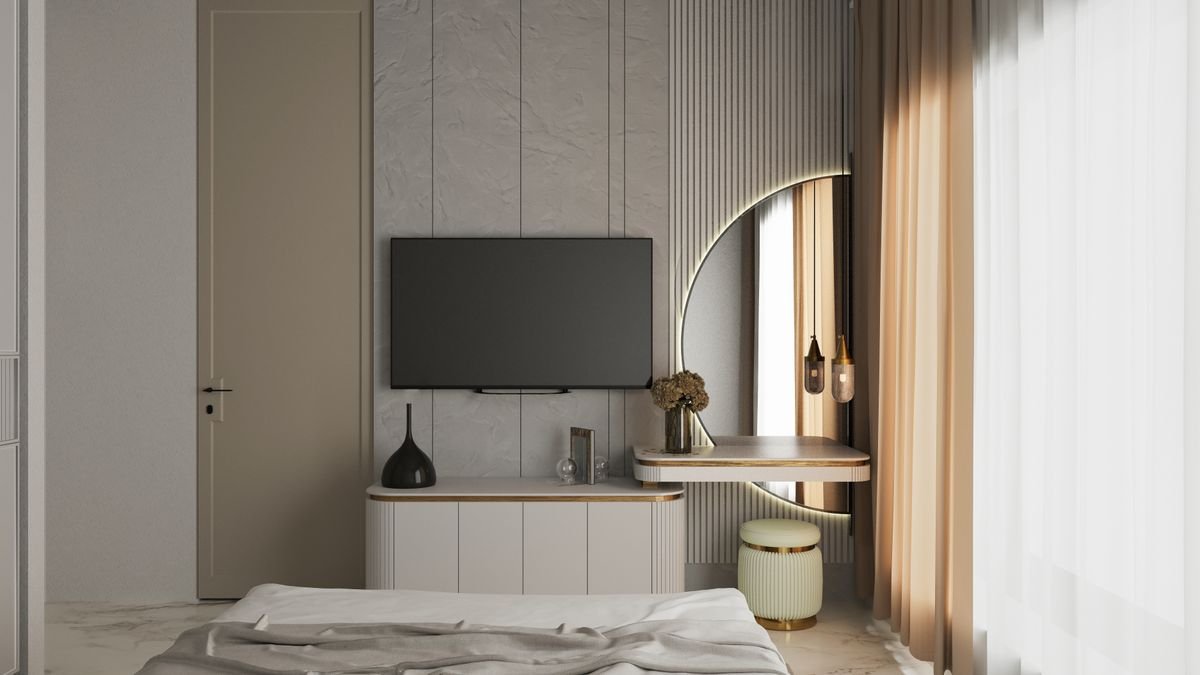
When your back hurts, the surface you spend a third of your life on isn’t a small decision. Two materials dominate the “good for your back” conversation — memory foam and latex — and they feel and perform very differently. Memory foam is the slow-sinking, body-hugging material most people picture when they think “pressure relief.” Latex is springier, cooler, and more durable, with a buoyant feel that keeps you on top of the bed. Both can support a healthy spine; the right one depends on your sleep position, your body type, whether you sleep hot, and the specific kind of back pain you’re managing. Here’s a clinical-minded comparison to help you choose.
Memory foam vs latex at a glance
| Factor | Memory foam | Latex |
|---|---|---|
| Feel | Slow, contouring “hug” | Responsive, buoyant “on top” |
| Pressure relief | Excellent (deep cradle) | Good (gentler contour) |
| Support | Good with firm core | Excellent, even support |
| Temperature | Sleeps warmer | Sleeps cooler |
| Responsiveness | Slow to rebound | Fast, easy to move |
| Durability | Good | Excellent (often longest-lasting) |
| Best for | Side sleepers, deep pressure relief | Hot sleepers, combination sleepers, eco-minded buyers |
How memory foam supports your back
Memory foam (viscoelastic foam) softens in response to heat and pressure, so it molds closely to your body. For back pain, that contouring does two useful things: it cushions the heavy points — shoulders and hips — and it fills the gap under the lumbar curve so your lower spine isn’t left unsupported in mid-air. Side sleepers tend to love memory foam because it lets the shoulder and hip sink in while cradling the waist, keeping the spine straight. People with sciatica, hip bursitis, or arthritis often find the cushioning gentler on sore joints than a firmer surface.
The drawbacks are well known. Memory foam traps body heat, which can make pain-related sleep disruption worse for hot sleepers. Its slow rebound makes it harder to change positions — you can feel “stuck,” which is a real downside if pain already makes turning over difficult. And lower-quality foam can develop body impressions over time, and a sagging surface quietly pulls the spine out of alignment. Look for higher-density foam and a supportive core to avoid that.
How latex supports your back
Latex foam — whether natural (from rubber-tree sap) or synthetic — has a buoyant, slightly springy feel. Instead of swallowing you, it pushes back gently, contouring just enough to relieve pressure while keeping your hips lifted and your spine level. That even, supportive feel is excellent for back and combination sleepers, and the fast response makes repositioning effortless, which is a genuine advantage for stiff or painful backs. Latex also sleeps noticeably cooler than memory foam thanks to its open-cell structure and pinhole construction, and natural latex is among the most durable mattress materials available, often outlasting foam by years.
The trade-offs: latex is heavier and usually more expensive, especially natural Talalay or Dunlop latex. Dedicated side sleepers who crave a deep memory-foam cradle may find latex too firm or “on top.” And while natural latex is hypoallergenic for most people, those with a true latex allergy should avoid it.
Head-to-head for back pain
- Deep pressure relief: Memory foam wins — best for side sleepers and sensitive joints.
- Even spinal support: Latex wins — keeps the hips from sinking, great for back/stomach sleepers.
- Ease of movement: Latex. Its quick rebound makes turning over and getting up easier on a sore back.
- Temperature: Latex sleeps cooler; memory foam holds heat.
- Durability: Latex typically lasts longer and resists sagging better.
- Motion isolation: Memory foam absorbs a partner’s movement better; latex transfers a little more.
- Value: Memory foam is usually cheaper upfront; latex costs more but can last longer.
What about a hybrid? The best of both
You don’t always have to choose. Modern hybrids combine a comfort layer (foam or latex) with a coil support core, giving you contouring and the easy movement, airflow, and edge support of springs. For back-pain sufferers who also sleep hot, that combination is often the sweet spot — you get pressure relief without the heat trap of all-foam, and steady support without the sink. That’s why, for readers weighing memory foam against latex but worried about overheating, we usually point them to a cooling hybrid like Glacier. It pairs supportive coils with temperature-regulating comfort layers, so you get spinal alignment and a cool night in one mattress rather than trading one for the other.
Match the material to your sleep position
- Side sleepers: Memory foam (or a soft latex/hybrid) for shoulder and hip relief.
- Back sleepers: Latex or a medium-firm hybrid to fill the lumbar gap without sinking.
- Stomach sleepers: Firmer latex or a firm hybrid to keep the hips from hyperextending the spine.
- Combination sleepers: Latex or hybrid — the responsiveness makes switching positions easy.
Body type matters too
Lighter sleepers (under ~130 lbs) don’t compress either material much, so they can enjoy the contouring of memory foam without feeling stuck, or a softer latex for enough give. Average-weight sleepers have the widest range of good options. Heavier sleepers (over ~230 lbs) tend to sink too far into all-foam beds, which washes out lumbar support and traps more heat — they’re usually best served by latex or a sturdy cooling hybrid with strong coils, which resists sagging and keeps the spine aligned over the long haul.
Don’t ignore temperature
It’s easy to obsess over firmness and forget heat, but the two are linked when it comes to pain. Overheating fragments deep sleep, and deep sleep is when your muscles and connective tissue recover. If you’ve ever found the “perfect” supportive mattress only to wake up sweating at 3 a.m., you know the problem. Memory foam is the worst offender here; latex is much better; and a purpose-built cooling hybrid is better still. If you run hot, weight temperature as heavily as you weight firmness.
A 4-week test for your back
Whatever material you choose, give it time. Your spine needs two to four weeks to adapt to a new sleep surface, and early stiffness on a more supportive bed often fades. Use any home trial to track three signals: how your back feels in the first 30 minutes after waking, whether you’re overheating, and how often you wake up shifting to get comfortable. Improving mornings by week three usually means you’ve found your match. Persistent pain or night sweats mean it’s time to switch while the trial still allows it.
How firmness interacts with material
Material and firmness are two different dials, and people often confuse them. You can get a soft latex or a firm memory foam; the material describes the feel and behavior, while firmness describes how much it resists your weight. For back pain, most sleepers land best in the medium to medium-firm range regardless of material, because that’s where pressure relief and support balance out. The mistake to avoid is buying purely on firmness label — one brand’s “medium” can feel like another’s “firm.” Pay attention to how a mattress keeps your spine aligned in your actual sleep position, not just the number on the label. A medium-firm latex and a medium-firm memory foam will both aim for neutral alignment, but the latex will feel springier and cooler while the foam will feel more enveloping.
Common mattress-shopping mistakes that hurt your back
- Buying too firm “because it’s better for your back.” A board-firm bed doesn’t relieve pressure and can actually worsen pain for side sleepers. Supportive does not mean rock-hard.
- Ignoring your sleep position. The single biggest predictor of the right surface is whether you sleep on your side, back, or stomach.
- Judging a mattress in a showroom. Five minutes lying down tells you almost nothing; your spine reveals the truth after a few weeks.
- Forgetting the foundation. A great mattress on a sagging box spring or widely spaced slats will sag too. Use a supportive base.
- Keeping a mattress too long. Most lose meaningful support after years of use, and a worn surface is a common hidden cause of “new” back pain.
Caring for your mattress to protect your spine
Whichever material you choose, a few habits keep it supporting you for the long haul. Use a sturdy foundation with slats no more than about three inches apart so the mattress doesn’t bow between them. Rotate the mattress head-to-foot periodically if the manufacturer allows it, which evens out wear and delays body impressions. Use a breathable mattress protector to guard against moisture — especially important for latex and foam, which can degrade with trapped humidity. And re-evaluate support every few years: if you wake up stiff and it eases once you’re up and moving, your surface may have softened past the point of keeping your spine aligned.
Is latex or memory foam better for lower back pain?
For lower-back pain specifically, many people do best on latex or a hybrid because the even, lifted support keeps the pelvis from sinking and rounding the lumbar spine. Side sleepers with lower-back pain, however, may still prefer memory foam’s cushioning. Sleep position is the deciding factor.
Does latex sleep cooler than memory foam?
Yes. Latex has an open-cell structure and pinhole ventilation that lets heat escape, while traditional memory foam tends to trap it. If temperature is a concern, latex or a dedicated cooling hybrid is the better bet.
The bottom line
Choose memory foam if you’re a side sleeper who wants deep pressure relief and a contouring feel, and you don’t sleep especially hot. Choose latex if you want even support, easy movement, a cooler surface, and long-term durability — ideal for back, stomach, and combination sleepers. And if you want the support of coils plus comfort-layer cushioning without the heat, a cooling hybrid like Glacier bridges the gap. Use the home trial, give your back a few weeks, and let your mornings decide.
When to see a professional
A better mattress can do a lot for everyday aches and stiffness, but it isn’t a cure for everything. If your back pain is severe, lasts more than a few weeks, follows an injury, or comes with numbness, tingling, weakness, or pain radiating down a leg, see a chiropractor or physician rather than relying on a new bed alone. They can identify whether something like a disc issue, sciatica, or a muscular problem is driving the pain and recommend treatment alongside the right sleep setup. Think of your mattress as one important piece of a larger picture — it supports recovery, but it works best together with proper care, movement, and professional guidance when you need it.
This article is for general educational purposes and is not medical advice. If you have persistent or severe back pain, talk to your chiropractor or physician about what’s right for you. ChiropractorSleep is reader-supported and may earn a commission from links on this page, at no extra cost to you.
Related Guides
- How Chiropractic Care Improves Sleep Quality
- The Connection Between Posture and Sleep: What Chiropractors Know
- When Should You See a Chiropractor for Back Pain?
Support Picks for Better Sleep

Firm 12 Inch Queen Mattress, Hybrid Mattress Queen Size for Cooling Comfort & Back Pain Relief, CertiPUR-US Certified Mattresses in a Box, 365 Nights Trial, 10 Years Warranty – Fiberglass Free
- Unique Ergonomic Contour Design:
- 2 Heights for Different Sleep Needs:
- Premium Slow Rebound Memory Foam:
List Price :
Offer: 249.99 $
Go to Amazon